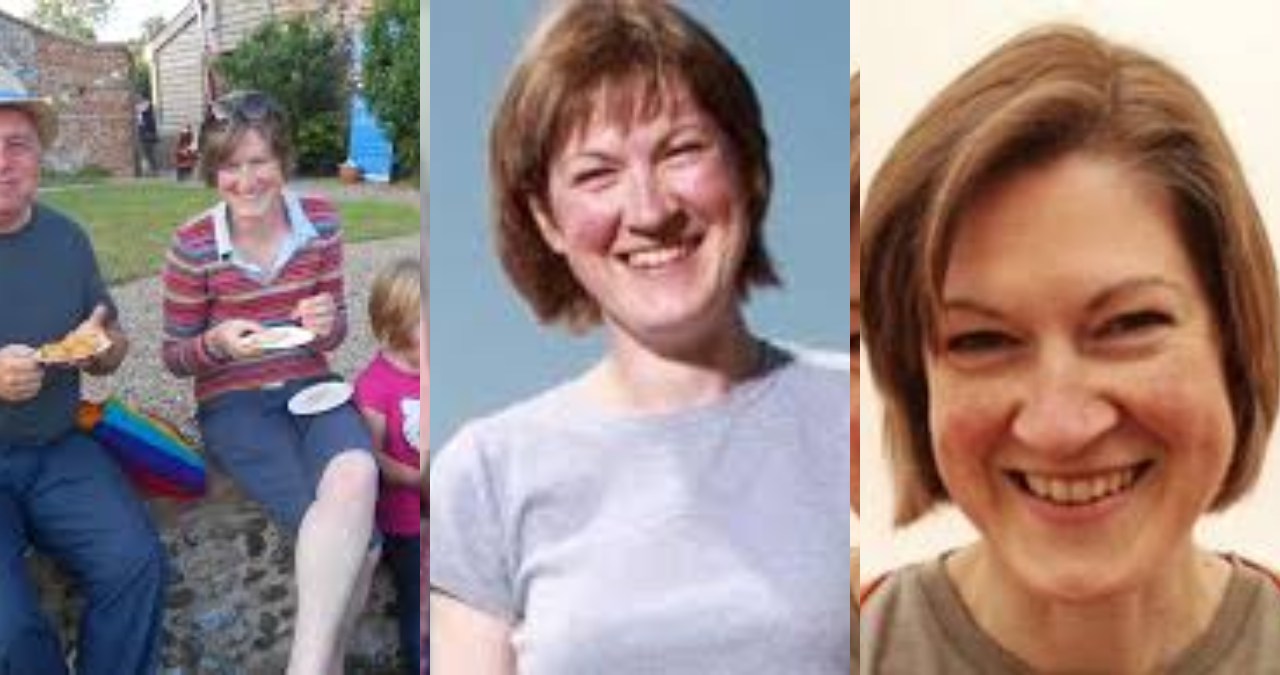
Dr. Helen Mary Geake is one of the leading figures in British archaeology, renowned for her expertise in early medieval England and her ability to bring historical scholarship into the public domain. With a career spanning research, museum curation, public outreach, and political engagement, Geake has combined rigorous academic work with media presence to make archaeology accessible, educational, and relevant to modern audiences.
Early Life and Education
Helen Geake was born in 1967 in Wolverhampton, England, and spent her formative years in Bath, a city rich in Roman and medieval heritage. Growing up surrounded by history, she developed a fascination with the material traces of the past and the stories they tell about people and society. Her early exposure to historical sites and artefacts inspired her to pursue archaeology academically rather than follow more conventional career paths.
Geake began her formal studies in archaeology at University College London, focusing on medieval periods. She quickly developed a particular interest in the early Anglo-Saxon era, especially the study of burial practices and grave goods. Recognizing the importance of detailed research for understanding cultural change, she continued her education at the University of York, where she completed a doctoral degree (DPhil) on Anglo-Saxon burial practices during England’s conversion to Christianity. Her research explored how objects buried with the dead reflected social hierarchy, religious belief, and personal identity, establishing her as an authority in her field.
Professional Career and Museum Work
After completing her doctorate, Geake began her professional career in museum curation. She served as Assistant Keeper of Archaeology at Norwich Castle Museum, where she was responsible for the care, documentation, and exhibition of archaeological collections. In this role, she developed the skills to communicate complex archaeological findings to a public audience, bridging the gap between academic research and popular understanding.
Geake’s career then extended into the Portable Antiquities Scheme (PAS), a program designed to record archaeological finds discovered by the public. Initially working as a Finds Liaison Officer in Suffolk, she later became a Finds Adviser specializing in early medieval objects. In these roles, she combined her expertise in Anglo-Saxon artefacts with community engagement, helping members of the public understand the significance of their discoveries and ensuring that objects were accurately documented for research and heritage purposes.
Academic Contributions
Geake has made significant contributions to the study of early medieval England. Her research on grave goods and burial practices during the conversion period has been highly influential in the field. She demonstrated that grave assemblages were not simply decorative, but encoded information about social status, religious affiliation, and cultural identity. Her work has helped scholars better understand the transition from paganism to Christianity in England and the ways in which communities expressed their beliefs through material culture.
In addition to her monograph on grave goods, Geake has published numerous articles in archaeological journals, contributing to the broader understanding of Anglo-Saxon society. Her research emphasizes the value of small finds and everyday objects, illustrating how even minor artefacts can provide insights into historical lifeways, social structures, and cultural change.
Public Engagement and Television Work
Helen Geake is widely recognized for her role on the Channel 4 television series Time Team, which brought archaeology to a mass audience. She first appeared on the show in 1998 and became a regular expert, specializing in early medieval England. On Time Team, Geake analyzed artefacts, interpreted excavation sites, and explained complex archaeological processes to viewers in clear, engaging terms.
Through television, Geake not only educated the public about archaeology but also inspired interest in local heritage and volunteer participation in digs. Her approachable manner and enthusiasm for the past made her a popular figure, while her expertise ensured that the show maintained academic credibility. Beyond Time Team, she has contributed to related programming, podcasts, and public lectures, continuing her commitment to accessible archaeology.
Political Involvement
In addition to her archaeological career, Geake has been active in politics. She has run as a candidate for the Green Party of England and Wales in parliamentary elections, emphasizing heritage conservation, environmental sustainability, and community engagement. She has also served as a councillor on Mid Suffolk District Council, representing the Elmswell & Woolpit ward. In this role, she advocated for cultural heritage initiatives, local development, and sustainable planning, demonstrating how archaeological expertise can inform civic decision-making.
Recognition and Professional Influence
Geake’s contributions have been recognized through her election as a Fellow of the Society of Antiquaries of London, a prestigious honor that highlights her standing in the archaeological community. She has served on advisory boards for academic institutions and heritage organizations, helping shape research priorities and conservation efforts.
Her professional influence extends to mentoring volunteers, training new archaeologists, and advising on national recording projects. Through her work with the PAS, museum collections, and public outreach, Geake has demonstrated the importance of combining scholarship with community participation in preserving and understanding the past.
Personal Life
Geake is married to Angus Wainwright, a National Trust archaeologist, and they have three children. Her family life is closely intertwined with her professional interests, reflecting a shared commitment to archaeology and heritage. Living in Suffolk, she continues to balance her research, media engagement, and civic involvement while maintaining active participation in archaeological communities.
Impact and Legacy
Geake has had a profound impact on both scholarly and public archaeology in the UK. Her research has advanced understanding of Anglo-Saxon burial practices and material culture, while her television and public engagement work has made archaeology accessible to millions. She has championed the importance of recording and preserving archaeological finds, emphasizing community involvement and ethical stewardship of heritage.
Through her career, Geake has exemplified how academic expertise can be combined with public outreach to inspire interest in history and archaeology. Her work ensures that the stories of early medieval England remain alive and relevant for contemporary audiences.
Frequently Asked Questions (FAQ) About Helen Geake
Who is Helen Geake?
Geake is a British archaeologist, scholar, and public historian known for her expertise in early medieval England. She specializes in Anglo-Saxon burial practices and artefacts and has become a widely recognized public figure through her television work and community archaeology initiatives.
What is Geake’s educational background?
Geake studied medieval archaeology at University College London and earned a doctoral degree (DPhil) from the University of York, focusing on Anglo-Saxon burial practices and the cultural significance of grave goods during England’s conversion to Christianity.
What television and public engagement work has she done?
Geake is well-known for her appearances on Channel 4’s Time Team, where she interpreted Anglo-Saxon finds and excavations for a national audience. She has also contributed to podcasts, lectures, and heritage programs, making archaeology accessible and engaging to the public.
What is her role in the Portable Antiquities Scheme (PAS)?
Geake has worked as a Finds Liaison Officer and later as a Finds Adviser for Early Medieval objects, helping document and interpret archaeological finds reported by the public. Her work bridges professional archaeology with community participation and heritage preservation.
Has Geake been involved in politics or local governance?
Yes, she has been active in the Green Party of England and Wales, standing as a parliamentary candidate, and has served as a councillor for Mid Suffolk District Council, where she focused on heritage conservation, environmental sustainability, and local community engagement.
Frequently Asked Questions (FAQ) About Helen Geake
Who is Helen Geake?
Geake is a British archaeologist, historian, and television presenter known for her expertise in early medieval England. She specializes in Anglo-Saxon archaeology and is recognized for making archaeology accessible to the public through media and outreach.
What is Helen Geake’s educational background?
Geake studied medieval archaeology at University College London and earned a doctoral degree from the University of York, where she focused on Anglo-Saxon burial practices and the interpretation of grave goods.
What television work has she done?
She is widely known for her work on Channel 4’s Time Team, where she explained archaeological discoveries and Anglo-Saxon artefacts to a national audience. She has also contributed to podcasts and public lectures, bringing archaeology to broader audiences.
What is her involvement with the Portable Antiquities Scheme?
Geake has worked as a Finds Liaison Officer and Finds Adviser, helping to record and interpret artefacts discovered by the public. Her work ensures that everyday finds contribute to the national archaeological record and public understanding.
Has Geake been involved in politics?
Yes, she has stood as a candidate for the Green Party of England and Wales and served as a councillor for Mid Suffolk District Council, focusing on heritage conservation, environmental sustainability, and community engagement.
Conclusion
Dr. Helen Geake’s career reflects a rare combination of scholarly excellence, public communication, and civic engagement. From her early academic work on Anglo-Saxon graves to her contributions to public archaeology and political service, she has consistently demonstrated a commitment to understanding and sharing Britain’s past. Her legacy is one of bridging the gap between research and public interest, inspiring new generations of archaeologists, and fostering appreciation for cultural heritage across the country.